

Bowel & Intestinal
Crohn's Disease
A chronic inflammatory bowel disease that can affect any part of the digestive tract.
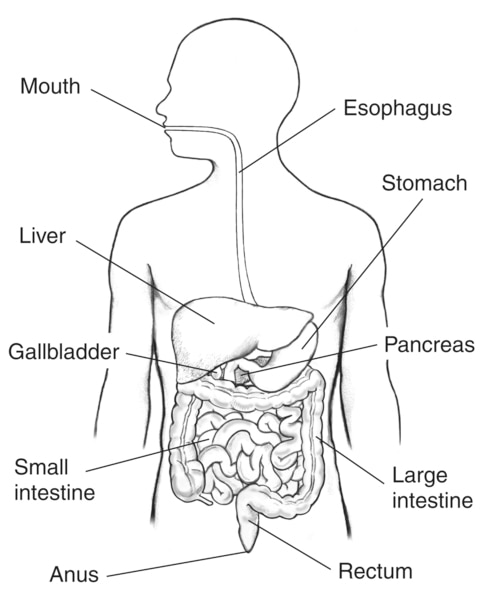
Image: National Institute of Diabetes and Digestive and Kidney Diseases (NIDDK), NIH
CategoryBowel & Intestinal
Typical NatureChronic, autoimmune
UrgencySpecialist care
What Is Crohn's Disease?
Crohn's disease causes chronic inflammation that can affect any part of the digestive tract, from mouth to anus, often in a patchy pattern. It's a lifelong condition, but the right treatment plan can achieve long stretches of remission.
Symptoms of Crohn's Disease
Common Symptoms
- Persistent diarrhea
- Abdominal pain and cramping
- Fatigue
- Unintended weight loss
- Reduced appetite
Causes & Risk Factors
Common Causes
- An overactive immune response in the digestive tract
- Genetic predisposition
- Environmental triggers
- Gut microbiome factors
Risk Factors
When to See a Doctor: Red-Flag Symptoms
Most digestive symptoms can be evaluated at a routine visit. However, seek prompt medical attention if you experience any of the following:
- Rectal bleeding or blood in the stool
- Severe or worsening abdominal pain
- High fever with abdominal symptoms
- Signs of dehydration (dizziness, reduced urination)
If you're experiencing a medical emergency, call 911 or go to your nearest emergency room.
How Crohn's Disease Is Diagnosed
- A detailed symptom history and physical exam
- Stool studies or blood work as indicated
- Colonoscopy or sigmoidoscopy for direct visualization
- Breath testing for suspected SIBO or intolerances
Treatment Options
- Anti-inflammatory and immunosuppressive medications
- Biologic therapy for moderate to severe disease
- Nutritional support
- Surgery for complications when necessary
Related Services & Procedures
Prevention
- There's no known way to prevent Crohn's disease, but not smoking and following your treatment plan reduce flare frequency.
Related Conditions
Frequently Asked Questions
No — Crohn's can affect any part of the digestive tract in patches, while ulcerative colitis affects only the colon continuously. Treatment approaches differ accordingly.
There's currently no cure, but many patients reach and maintain remission for years with appropriate treatment and monitoring.
Not necessarily — many patients manage the condition with medication alone. Surgery is typically reserved for complications like strictures or fistulas.
 Reviewed by Dr. Anthony Marchetti, MD
This content is for informational purposes only and is not a substitute for professional medical advice, diagnosis, or treatment.