

Bowel & Intestinal
Ulcerative Colitis
A chronic inflammatory bowel disease affecting the lining of the colon and rectum.
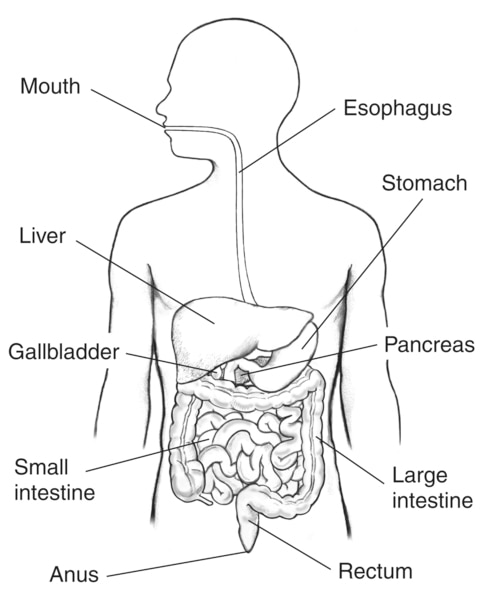
Image: National Institute of Diabetes and Digestive and Kidney Diseases (NIDDK), NIH
CategoryBowel & Intestinal
Typical NatureChronic, autoimmune
UrgencySpecialist care
What Is Ulcerative Colitis?
Ulcerative colitis causes continuous inflammation limited to the colon and rectum, typically starting in the rectum and extending upward. Like Crohn's disease, it's a lifelong condition managed with the goal of achieving and maintaining remission.
Symptoms of Ulcerative Colitis
Common Symptoms
- Bloody diarrhea
- Urgency to have a bowel movement
- Abdominal cramping
- Fatigue
- Weight loss
Causes & Risk Factors
Common Causes
- An overactive immune response targeting the colon lining
- Genetic predisposition
- Environmental and microbiome factors
Risk Factors
When to See a Doctor: Red-Flag Symptoms
Most digestive symptoms can be evaluated at a routine visit. However, seek prompt medical attention if you experience any of the following:
- Rectal bleeding or blood in the stool
- Severe or worsening abdominal pain
- High fever with abdominal symptoms
- Signs of dehydration (dizziness, reduced urination)
If you're experiencing a medical emergency, call 911 or go to your nearest emergency room.
How Ulcerative Colitis Is Diagnosed
- A detailed symptom history and physical exam
- Stool studies or blood work as indicated
- Colonoscopy or sigmoidoscopy for direct visualization
- Breath testing for suspected SIBO or intolerances
Treatment Options
- Anti-inflammatory medications
- Biologic and immunomodulator therapy
- Regular colonoscopy monitoring given increased colon cancer risk
- Colectomy for severe, refractory cases
Related Services & Procedures
Prevention
- There's no known way to prevent ulcerative colitis, but consistent treatment adherence reduces flare frequency and severity.
Related Conditions
Frequently Asked Questions
Long-standing ulcerative colitis does carry an increased colon cancer risk, which is why we recommend more frequent colonoscopy surveillance for patients with this diagnosis.
Triggers vary by person but can include stress, certain medications (like NSAIDs), infections, or stopping treatment. We help patients identify their own patterns.
Because the disease is limited to the colon, removing it (colectomy) can effectively cure the disease, though it's a major decision reserved for severe or refractory cases.
 Reviewed by Dr. Anthony Marchetti, MD
This content is for informational purposes only and is not a substitute for professional medical advice, diagnosis, or treatment.