

Polypectomy in the Bronx, NY
The removal of colon polyps during colonoscopy — a key step in preventing colon cancer.
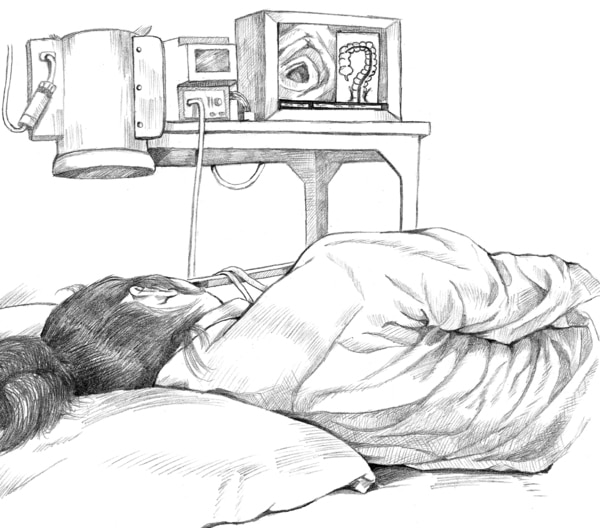
Image: National Institute of Diabetes and Digestive and Kidney Diseases (NIDDK), NIH
What Is Polypectomy?
A polypectomy is the removal of a polyp during colonoscopy, using specialized tools passed through the scope. It's typically painless, since the colon lining lacks pain receptors, and is central to colon cancer prevention.
Why Is It Done? (Indications)
- A polyp identified during screening colonoscopy
- Surveillance colonoscopy in patients with a polyp history
How to Prepare
Step 1
The same bowel prep required for a standard colonoscopy
Step 2
Reviewing blood-thinning medications with our team beforehand
How It's Performed
Using tools passed through the colonoscope — typically a wire loop or forceps — your gastroenterologist removes the polyp, which is then sent to pathology for analysis.
What Happens After (Recovery)
Brief rest as sedation wears off
Resume normal diet and activity
Results reviewed with your doctor
Recovery mirrors a standard colonoscopy; most patients rest briefly, then go home the same day. Mild cramping or spotting can occur, especially after removal of larger polyps.
Risks
- Mild bleeding, usually minor and self-limited
- Very rare risk of perforation
- Standard colonoscopy sedation risks
 Reviewed by Dr. Anthony Marchetti, MD
Doctors Who Perform This Procedure
Dr. Anthony Marchetti, MDMedical Director, Gastroenterology
 Dr. Samuel Osei, MDIBD Specialist
Benefits
- Removes precancerous tissue before it can progress
- Performed in the same visit as your screening colonoscopy
- Pathology results guide your future screening schedule