

Upper Endoscopy (EGD) in the Bronx, NY
A direct look at the esophagus, stomach, and upper small intestine to diagnose upper GI symptoms.
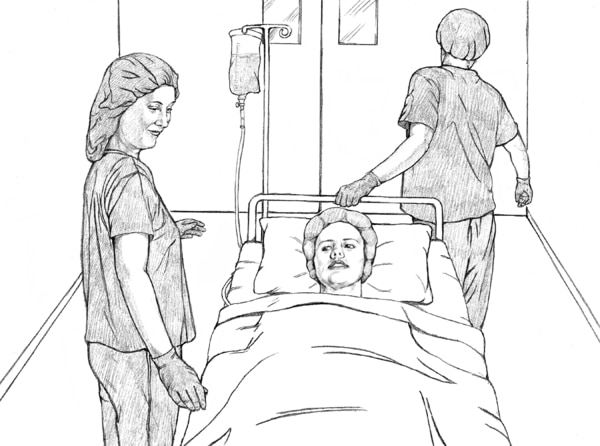
Image: National Institute of Diabetes and Digestive and Kidney Diseases (NIDDK), NIH
What Is Upper Endoscopy (EGD)?
An upper endoscopy, or EGD, uses a thin, flexible camera passed through the mouth to examine the esophagus, stomach, and the first part of the small intestine. It's one of the most effective tools for diagnosing upper digestive symptoms.
Why Is It Done? (Indications)
- Persistent heartburn or reflux
- Difficulty or pain swallowing
- Unexplained nausea or vomiting
- Suspected ulcers, celiac disease, or H. pylori infection
How to Prepare
Step 1
Fasting for 6 to 8 hours before the procedure
Step 2
Reviewing current medications, especially blood thinners
Step 3
Arranging a ride home due to sedation
How It's Performed
After sedation, the gastroenterologist gently passes the endoscope through the mouth to examine the upper digestive tract, taking biopsies if needed. The exam typically takes 10 to 20 minutes.
What Happens After (Recovery)
Brief rest as sedation wears off
Resume normal diet and activity
Results reviewed with your doctor
You'll rest briefly as sedation wears off, and most patients can eat normally later the same day, though your throat may feel mildly sore or scratchy for a short time.
Risks
- Mild sore throat
- Rare bleeding, particularly if a biopsy is taken
- Very rare risk of perforation
- Reactions to sedation, which are closely monitored
 Reviewed by Dr. Anthony Marchetti, MD
Doctors Who Perform This Procedure
Dr. Anthony Marchetti, MDMedical Director, Gastroenterology
Benefits
- Direct visualization of the upper digestive tract
- Biopsies can be taken in the same visit
- Fast, well-tolerated procedure