

Upper GI & Esophagus
Swallowing Disorders (Dysphagia)
Difficulty or discomfort swallowing food or liquids.
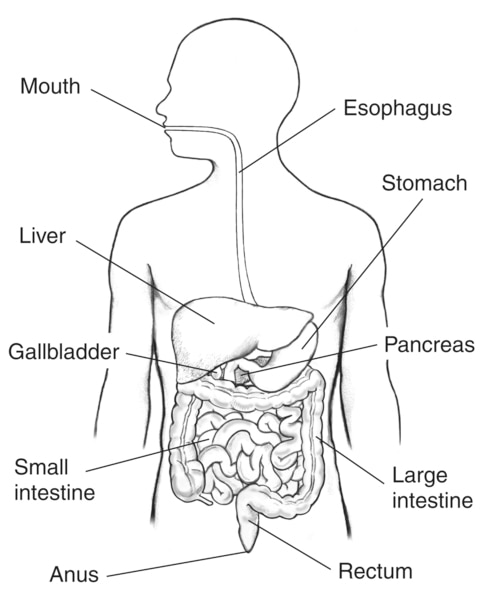
Image: National Institute of Diabetes and Digestive and Kidney Diseases (NIDDK), NIH
CategoryUpper GI
Typical NatureVaries
UrgencyEvaluate promptly
What Is Swallowing Disorders (Dysphagia)?
Dysphagia refers to difficulty swallowing, which can range from a mild sensation of food sticking to a genuine inability to swallow safely. It can stem from the esophagus itself or from nerve and muscle coordination issues.
Symptoms of Swallowing Disorders (Dysphagia)
Common Symptoms
- A sensation of food sticking in the throat or chest
- Pain when swallowing
- Coughing or choking while eating
- Unintentional weight loss from eating less
Causes & Risk Factors
Common Causes
- GERD-related esophageal narrowing (stricture)
- Esophageal motility disorders
- Eosinophilic esophagitis
- Neurological conditions affecting swallowing
Risk Factors
When to See a Doctor: Red-Flag Symptoms
Most digestive symptoms can be evaluated at a routine visit. However, seek prompt medical attention if you experience any of the following:
- Difficulty or pain swallowing
- Vomiting blood or material resembling coffee grounds
- Unintended, unexplained weight loss
- Persistent vomiting that doesn't improve
If you're experiencing a medical emergency, call 911 or go to your nearest emergency room.
How Swallowing Disorders (Dysphagia) Is Diagnosed
- A detailed symptom history and physical exam
- Upper endoscopy to directly examine the esophagus and stomach
- H. pylori testing when indicated
- Imaging or lab work to rule out related causes
Treatment Options
- Upper endoscopy to evaluate the esophagus
- Esophageal dilation for strictures
- Treatment of underlying GERD or eosinophilic esophagitis
- Referral for swallow studies when needed
Related Services & Procedures
Prevention
- Treating GERD promptly to prevent stricture formation
Related Conditions
Frequently Asked Questions
It should always be evaluated, since causes range from easily treatable strictures to conditions needing more involved management — early evaluation gives you more options.
It's a procedure that gently stretches a narrowed section of the esophagus, often performed during an upper endoscopy, to relieve difficulty swallowing.
There is a sensation called globus that can feel like swallowing difficulty and is sometimes stress-related, but we always rule out a physical cause first.
 Reviewed by Dr. Anthony Marchetti, MD
This content is for informational purposes only and is not a substitute for professional medical advice, diagnosis, or treatment.