

H. pylori Testing in the Bronx, NY
Testing to detect H. pylori, a common bacterial cause of gastritis and ulcers.
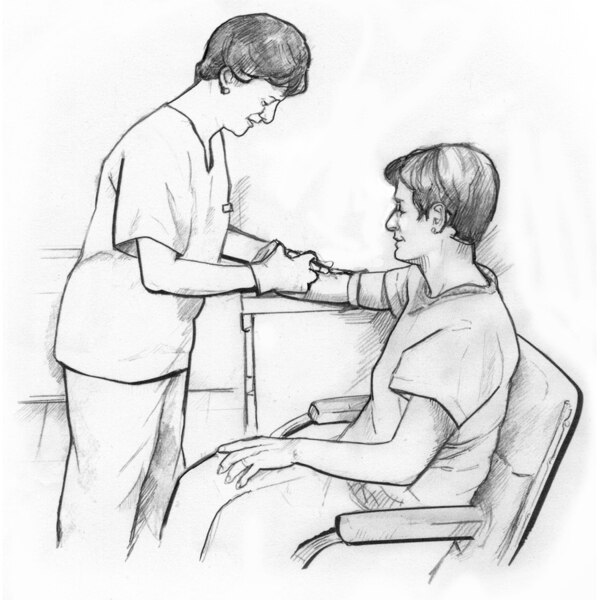
Image: National Institute of Diabetes and Digestive and Kidney Diseases (NIDDK), NIH
What Is H. pylori Testing?
H. pylori is a common bacterial infection of the stomach lining linked to gastritis, ulcers, and, in some cases, stomach cancer risk. Several noninvasive testing methods can detect it accurately.
Why Is It Done? (Indications)
- Persistent stomach pain or ulcer symptoms
- A family history of H. pylori-related conditions
- Follow-up testing after treatment to confirm eradication
How to Prepare
Step 1
Avoiding certain medications, like acid reducers and antibiotics, for a period before testing
Step 2
Fasting may be required depending on the test type
How It's Performed
Testing may be done via a breath test, stool sample, or blood test, or biopsies taken during an upper endoscopy if one is already being performed for another reason.
What Happens After (Recovery)
Brief rest as sedation wears off
Resume normal diet and activity
Results reviewed with your doctor
No recovery time is needed for breath or stool testing; results are typically processed within a few days.
Risks
- None significant for breath or stool testing; minimal risks apply if testing is done via endoscopic biopsy
 Reviewed by Dr. Anthony Marchetti, MD
Doctors Who Perform This Procedure
Dr. Anthony Marchetti, MDMedical Director, Gastroenterology
Benefits
- Multiple noninvasive testing options available
- Accurate detection that guides effective treatment
- Follow-up testing confirms successful treatment