

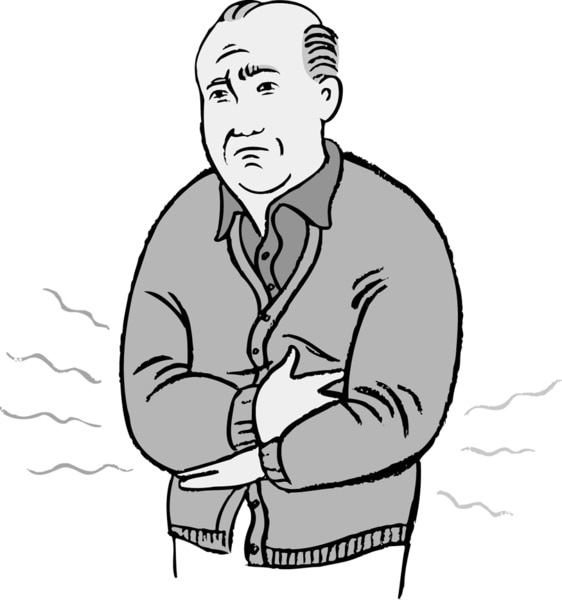
Image: National Institute of Diabetes and Digestive and Kidney Diseases (NIDDK), NIH
Medication isn't the only tool for managing GERD — these everyday changes can make a real difference.
Mind your meal timing
Eating your last meal at least three hours before lying down gives your stomach time to empty, reducing the chance of acid creeping back into the esophagus overnight.
Elevate the head of your bed
Raising the head of your bed by six to eight inches — rather than just stacking pillows — uses gravity to help keep stomach acid where it belongs while you sleep.
Watch portion size, not just food type
Large meals stretch the stomach and increase pressure on the lower esophageal sphincter. Smaller, more frequent meals often reduce reflux even before you address specific trigger foods.
Identify your personal triggers
While citrus, caffeine, and fatty foods are common culprits, triggers vary by person. Keeping a brief symptom log for a couple of weeks can reveal patterns specific to you.
Don't ignore persistent symptoms
If reflux occurs more than twice a week despite these changes, it's worth a proper evaluation — untreated GERD can lead to esophageal damage over time.
 Reviewed by Gastroenterology Bronx Editorial Team