

Liver, Rectal & More
Fatty Liver Disease
A buildup of fat in the liver that can progress to more serious liver damage if untreated.
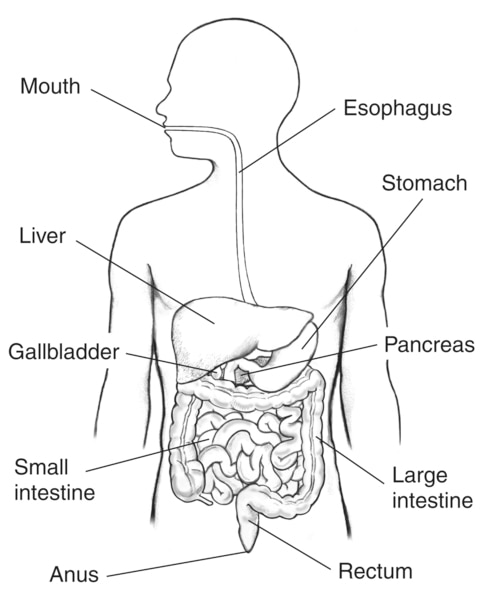
Image: National Institute of Diabetes and Digestive and Kidney Diseases (NIDDK), NIH
CategoryLiver, Rectal & More
Typical NatureOften silent, chronic
UrgencyRoutine evaluation
What Is Fatty Liver Disease?
Fatty liver disease occurs when excess fat builds up in the liver, often linked to obesity, diabetes, or metabolic syndrome. In its early stages it's usually reversible, which makes early detection especially valuable.
Symptoms of Fatty Liver Disease
Common Symptoms
- Often no symptoms in early stages
- Fatigue
- Mild discomfort in the upper right abdomen
- Unexplained elevated liver enzymes on blood work
Causes & Risk Factors
Common Causes
- Obesity and metabolic syndrome
- Insulin resistance or type 2 diabetes
- High cholesterol or triglycerides
- In some cases, alcohol use
Risk Factors
When to See a Doctor: Red-Flag Symptoms
Most digestive symptoms can be evaluated at a routine visit. However, seek prompt medical attention if you experience any of the following:
- Yellowing of the skin or eyes (jaundice)
- Severe abdominal pain, especially radiating to the back
- Black or tarry stools
- Sudden, significant abdominal swelling
If you're experiencing a medical emergency, call 911 or go to your nearest emergency room.
How Fatty Liver Disease Is Diagnosed
- A detailed symptom history and physical exam
- Blood work to assess organ function
- Imaging such as ultrasound or elastography
- Endoscopic or specialist evaluation when indicated
Treatment Options
- Weight management and dietary changes
- Treatment of underlying diabetes or cholesterol issues
- Noninvasive fibrosis monitoring
- Medication for select patients with advanced disease
Related Services & Procedures
Prevention
- Maintaining a healthy weight
- Regular physical activity
- Managing blood sugar and cholesterol
- Limiting alcohol intake
Related Conditions
Frequently Asked Questions
Often, yes — especially when caught early. Weight loss and metabolic control can meaningfully reduce liver fat and even reverse early damage.
Often first suspected from blood work or imaging done for another reason, then confirmed and staged using ultrasound-based elastography or other noninvasive tools.
No — most people with fatty liver disease never progress to cirrhosis, especially with lifestyle changes, but a subset can, which is why monitoring matters.
 Reviewed by Dr. Anthony Marchetti, MD
This content is for informational purposes only and is not a substitute for professional medical advice, diagnosis, or treatment.