

Liver, Rectal & More
Hepatitis
Inflammation of the liver caused by viral infection, alcohol, or other factors.
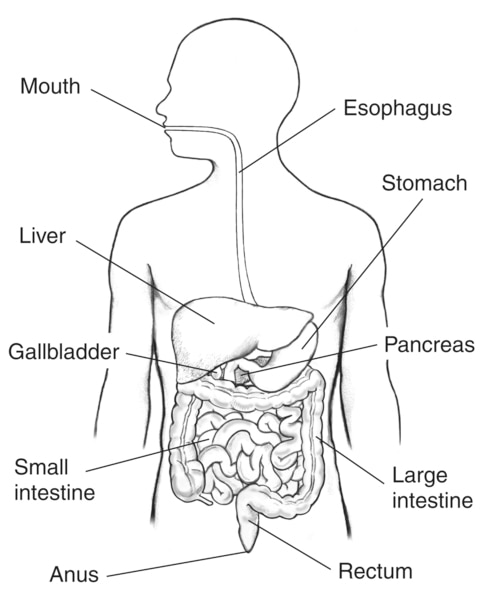
Image: National Institute of Diabetes and Digestive and Kidney Diseases (NIDDK), NIH
CategoryLiver, Rectal & More
Typical NatureAcute or chronic
UrgencyEvaluate promptly
What Is Hepatitis?
Hepatitis refers to inflammation of the liver, most often caused by viral infection (hepatitis A, B, or C), though alcohol and other factors can also be responsible. Chronic hepatitis B and C can lead to significant liver damage if untreated.
Symptoms of Hepatitis
Common Symptoms
- Fatigue
- Jaundice (yellowing of the skin or eyes)
- Abdominal pain
- Dark urine
- Nausea or loss of appetite
Causes & Risk Factors
Common Causes
- Viral infection (hepatitis A, B, or C)
- Alcohol use
- Certain medications or toxins
- Autoimmune conditions
Risk Factors
When to See a Doctor: Red-Flag Symptoms
Most digestive symptoms can be evaluated at a routine visit. However, seek prompt medical attention if you experience any of the following:
- Yellowing of the skin or eyes (jaundice)
- Severe abdominal pain, especially radiating to the back
- Black or tarry stools
- Sudden, significant abdominal swelling
If you're experiencing a medical emergency, call 911 or go to your nearest emergency room.
How Hepatitis Is Diagnosed
- A detailed symptom history and physical exam
- Blood work to assess organ function
- Imaging such as ultrasound or elastography
- Endoscopic or specialist evaluation when indicated
Treatment Options
- Antiviral therapy for chronic hepatitis B or C
- Supportive care for acute viral hepatitis
- Liver monitoring for chronic cases
- Vaccination for hepatitis A and B prevention
Related Services & Procedures
Prevention
- Vaccination against hepatitis A and B
- Safe practices to avoid bloodborne exposure
- Moderating alcohol use
Related Conditions
Frequently Asked Questions
Yes — modern antiviral medications cure the large majority of hepatitis C cases, typically within 8 to 12 weeks of treatment.
Both can be silent for years. Blood testing is the only reliable way to know, which is why we recommend screening for at-risk individuals.
Hepatitis A and B can be prevented through vaccination. There's currently no vaccine for hepatitis C, so prevention relies on avoiding exposure.
 Reviewed by Dr. Anthony Marchetti, MD
This content is for informational purposes only and is not a substitute for professional medical advice, diagnosis, or treatment.